
A portrait can preserve far more than a person’s appearance. It can capture a familiar expression, a meaningful moment, or the personality that makes someone special. That is why commissioning an original portrait is often a much more personal experience than simply purchasing decorative artwork. Whether you’re planning a portrait of yourself, a family member, a beloved pet, or someone important to you, choosing the right artist is one of the most important decisions you’ll make. Every artist has a different style, technique, creative process, and way of interpreting a reference photograph. Finding someone whose approach matches your vision can make the finished painting much more meaningful.
If you’re wondering what to look for when commissioning an artist, begin by thinking about what you want the finished artwork to communicate. Do you want a highly realistic portrait? Something soft and expressive? Would you prefer a traditional composition, or something that feels artistic and spontaneous? Knowing your preferences makes it easier to find an artist who can bring your idea to life.
Start by Exploring the Artist’s Style
Before contacting an artist, spend time reviewing their existing work. An artist’s Colorado watercolor paintings for sale are a great way to learn about their strengths. Pay attention to how they handle facial expressions, skin tones, backgrounds, clothing, lighting, and overall composition. Look at several pieces and see whether you notice a consistent style. If you’re drawn to watercolor, for example, you may appreciate an artist who uses transparent washes, subtle color transitions, and expressive brushwork.
Someone who prefers strong realism may look for a completely different approach. The goal isn’t to find the most technically impressive artist in general. It’s to find the artist whose style feels right for your particular portrait.
Consider the Artist’s Experience
Experience doesn’t necessarily mean an artist has to have decades of professional work behind them. What matters is whether they have demonstrated the ability to create the type of artwork you’re looking for. Review their portfolio carefully. Look for portraits similar to your project and consider whether the quality is consistent. You can also learn more about the artist’s creative background and artistic interests. Before commissioning the painting, think about what makes the subject special to you.
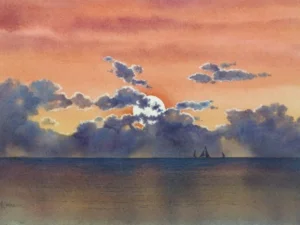
For example, exploring Joseph S Sturniolo artwork can help potential clients understand the visual approach and craftsmanship behind his watercolor work. A strong portfolio gives you confidence that the artist understands their medium and can translate your idea into a finished piece.
Discuss Your Expectations Clearly
Communication is an important part of a successful commission. Before the artist begins, make sure both sides understand the project. Discuss the size, medium, subject, reference photograph, preferred composition, framing, expected timeline, and any other important requirements. This is also the right time to explain what you like and what you don’t like. For example, perhaps you want the background to remain simple because the person’s expression is the most important element.
Or maybe you want a particular setting included because it has sentimental value. Clear communication gives the artist useful information without restricting their creativity.
Choose the Right Reference Photograph
The reference photograph is one of the most important parts of a portrait commission. It gives the artist the information needed to understand the subject’s facial features, expression, proportions, lighting, and overall appearance. A good photograph doesn’t necessarily need to look professional. What matters most is that the subject is clearly visible and the image provides enough detail for the artist to work from. When deciding what to look for when commissioning an artist, consider how they comfortable the artist is working from photographs.
Some artists may prefer one clear reference image, while others may appreciate several photographs that show different angles or expressions. Providing useful references gives the artist more information without taking away their creative freedom.
How to Take a Good Portrait Reference Photo
If you’re preparing a photograph specifically for a commission, pay attention to lighting first. Natural daylight can often provide excellent results because it reveals facial features without creating harsh artificial shadows. Try taking photographs near a window or outdoors in soft, indirect light. Avoid using extremely bright flash directly in front of the subject because it can flatten facial features and create distracting highlights. Understanding how to photograph someone for a portrait commission also means paying attention to the person’s expression.
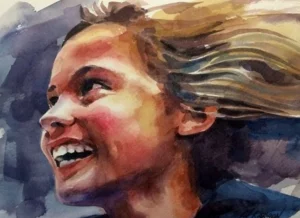
Choose an expression that feels natural and represents their personality. A genuine smile, relaxed expression, or familiar look can often make the final portrait feel much more personal.
Keep the Photograph Clear and Detailed
The artist needs to see the subject clearly. Avoid blurry photographs, heavily filtered images, or pictures where the face is partially hidden. High-resolution images are especially helpful because they allow the artist to examine smaller details. For example, if the person has a favorite location or an object that represents them, you may want to include it within the composition. Hair, eyes, facial structure, skin tone, and other identifying characteristics can all contribute to a recognizable portrait.
If possible, provide more than one photograph. One image may show the preferred expression, while another can provide additional information about the person’s features. The artist can then use their experience to determine which reference provides the strongest foundation for the painting.
Consider the Purpose of the Portrait
The purpose of the commission can influence many creative decisions. A family portrait may benefit from a composition that brings multiple people together naturally. A gift may focus on one meaningful person. A memorial portrait may require a particularly thoughtful approach to expression and atmosphere. For families, a watercolor family portrait commission can turn an important photograph or shared memory into a one-of-a-kind piece of artwork. The emotional value of a commissioned portrait often comes from the story behind it rather than simply the visual likeness.
The reason you’re commissioning an artist is because they bring skills and artistic judgment that a simple photograph cannot provide. Trusting that process can result in artwork that feels more expressive and personal than a direct reproduction.
Review the Artist’s Existing Artwork
Before committing to a project, take another look at the artist’s portfolio. If you’re interested in watercolor artwork, reviewing a framed watercolor painting for sale can help you understand how the artist presents finished pieces and how watercolor can look when professionally displayed. You may also discover subjects or artistic approaches you hadn’t considered before.
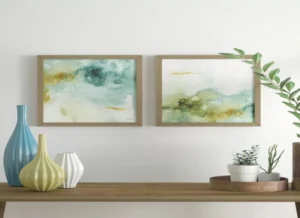
A portfolio can help establish realistic expectations while giving you confidence in the artist’s abilities. Timelines can vary depending on the artist’s current workload, the complexity of the portrait, and the size of the artwork.
A Commission Can Become Part of Your Story
The best commissioned portraits often become treasured possessions because they represent something that cannot be replaced. Years from now, the painting may remind you of a particular person, family moment, celebration, or stage of life. That’s what makes Joseph Sturniolo Faces of Ukraine original portrait commissions so powerful. When approached thoughtfully, a portrait commission isn’t simply a purchase. It becomes a personal story translated into art.
When considering how to photograph someone for a portrait commission, remember that the photograph is only the starting point. The artist transforms that reference into something handmade, interpretive, and lasting.
Final Thoughts
Choosing the right artist requires more than simply finding someone who can paint. Look for an artist whose style connects with you, whose portfolio demonstrates quality, and who communicates clearly about the commission process. Knowing what to look for when commissioning an artist can help you approach the project with realistic expectations while leaving room for creativity. The reference photograph also deserves careful attention. Good lighting, a natural expression, clear details, and thoughtful composition can give the artist a strong foundation for creating the finished portrait. For an artist such as Joseph Sturniolo, watercolor provides an expressive way to transform personal photographs and meaningful subjects into original artwork.