
Choosing the right medium for a portrait can completely change the character of the finished artwork. The same person can look remarkably different when interpreted through transparent watercolor washes compared with rich, layered oil paint. Neither medium is automatically better—the right choice depends on the mood, style, level of detail, and emotional quality you want the portrait to communicate. For anyone considering watercolor vs oil painting for portraits, understanding how these two traditional mediums behave can make the decision much easier.
Watercolor is known for its transparency, lightness, and ability to create subtle transitions, while oil painting is often associated with depth, texture, richness, and a more substantial appearance. A portrait is more than an accurate representation of someone’s face. It can preserve personality, emotion, memories, and even a particular moment in a person’s life. The medium an artist chooses, therefore, becomes an important part of how that story is communicated.
Understanding Watercolor Portraits
Watercolor has a naturally delicate quality that makes it particularly effective for expressive portraiture. Instead of covering the surface completely, artists build the image through transparent layers of pigment, allowing the paper underneath to contribute to the brightness of the painting. This creates a distinctive luminosity. Skin tones can appear soft and natural, while subtle color changes can communicate expression without requiring heavy brushwork. The medium is also capable of producing loose, expressive areas alongside carefully observed details.
A skilled watercolor artist knows when to allow the paint to flow naturally and when to control it precisely. That balance can give portraits a sense of movement and spontaneity that is difficult to reproduce with another medium. For collectors interested in discovering this style locally, exploring a watercolor artist Denver can be a great way to see how artists use the medium to interpret people and their personalities.
Transparency Versus Texture
One of the biggest differences when comparing watercolor vs oil painting is how each medium handles the surface. Watercolor depends heavily on transparency. Light passes through the pigment and reflects from the paper underneath, contributing to the luminous appearance of the finished painting. Oil paint works differently. Because pigments can be layered more opaquely, artists can build a stronger sense of physical depth and surface texture. Neither approach is superior.
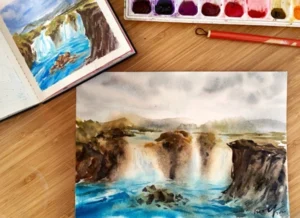
They simply create different visual experiences. A viewer who loves soft edges, luminous colors, and subtle transitions may naturally gravitate toward watercolor. Someone who prefers rich textures, stronger contrast, and heavily developed surfaces may find oil painting more appealing.
Understanding Oil Portraits
Oil painting offers a completely different experience. Oil pigments are traditionally mixed with oils that allow the artist to work with the paint for an extended period. This makes it possible to blend colors gradually, build layers, and refine details over time. Because oil paint can be applied in thicker layers, artists can create visible texture and substantial color depth. Highlights can appear more pronounced, shadows can become richer, and subtle transitions can be repeatedly adjusted.
This makes oil particularly to Joseph Sturniolo watercolor artist who want to create highly developed realism or dramatic visual effects. While watercolor often feels light and spontaneous, oil portraits can feel rich, solid, and deeply dimensional.
Which Medium Is Better for a Personal Portrait?
There is no universal answer. When considering watercolor vs oil painting, start with the personality of the person being portrayed and the mood you want the finished artwork to communicate. A watercolor portrait may be ideal when you want something intimate, elegant, expressive, and luminous. The medium can work beautifully for portraits intended to preserve a gentle memory or emotional moment.
Oil may be more appropriate when you want a dramatic, highly detailed, or traditionally substantial portrait. Think about the person, the setting where the painting will be displayed, and the overall feeling you want it to create.
How Artists Build a Portrait
The creative process also differs between media: watercolor vs oil painting for portraits generally requires careful planning because mistakes can be difficult to cover. Artists often preserve lighter areas of the paper from the beginning and gradually build darker values. This requires confidence. Oil painting offers greater flexibility during the process. Artists can keep modifying areas, adjust colors, and add layers as the portrait develops.
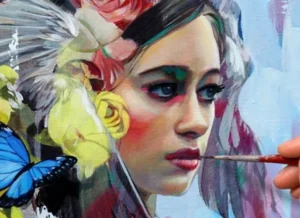
For that reason, the working process can be quite different even when two artists are creating the same subject. A watercolor artist may carefully consider every wash before applying it, while an oil painter may develop the image through repeated adjustments. Both approaches require considerable skill.
Detail and Realism
Both mediums are capable of producing realistic portraits, but they achieve realism in different ways. Watercolor can create remarkably precise facial details through controlled brushwork and carefully layered washes. An experienced artist can suggest the texture of hair, the shape of facial features, and subtle changes in skin tone without covering the painting in heavy pigment. Oil painting, on the other hand, provides more freedom to build up layers and gradually refine individual areas.
Artists can spend significant time developing highlights, shadows, skin texture, and small transitions between colors. The result is often a highly dimensional appearance. For viewers, the choice may ultimately come down to which type of realism feels more emotionally appealing.
Longevity and Proper Care
Original artwork can remain meaningful for generations when it is created with appropriate materials and properly cared for. Regardless of whether you choose watercolor or oil, environmental conditions matter. Excessive direct sunlight, moisture, temperature fluctuations, and poor storage can affect artwork over time. Watercolor paintings can benefit greatly from professional framing and protection from strong ultraviolet exposure.
If you are purchasing a Joseph Sturniolo Faces of Ukraine original portrait, ask about recommended display conditions and follow the artist’s or framer’s guidance. Neither approach makes the artwork better or worse. They simply require different types of planning, patience, and technical control.
Choosing an Artist Is Just as Important
Once you decide which medium appeals to you, spend time exploring the artist. Look at their previous portraits and observe how they handle faces, expressions, backgrounds, color, and composition. Pay attention to whether their style matches what you imagined for your own artwork. Oil paintings also require thoughtful placement and appropriate environmental conditions.
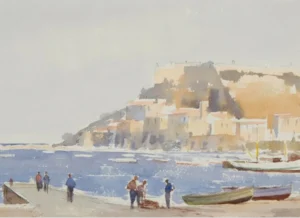
If you are particularly interested in seeing artwork within a local creative community, exploring art galleries Highlands Ranch can also provide inspiration and help you understand the different approaches artists take to portraiture.
Commissioning a Meaningful Portrait
A commissioned portrait can make the decision even more personal. Instead of selecting an existing painting, you can work with an artist to create artwork based on a specific person or photograph. A custom watercolor painting from photo can turn a meaningful image into an original piece of artwork while allowing the artist to interpret the subject through their own creative style. This can be especially meaningful for family members, anniversaries, memorials, celebrations, or other important occasions.
The photograph provides the reference, but the finished painting becomes something entirely different—a handmade interpretation rather than a simple reproduction.
Final Thoughts
Understanding the differences between watercolor vs oil painting for portraits allows you to make a more informed choice based on your personal preferences rather than simply following a trend. For those drawn to the transparency and emotional character of watercolor, Joseph offers artwork that demonstrates how this traditional medium can capture people and meaningful moments with sensitivity and artistic detail. Joseph S Sturniolo also represents the kind of artist whose work encourages viewers to look beyond the surface and the story, personality, and craftsmanship within an original painting.